How to Build an AI Chatbot for Your Website: Complete 2026 Guide
From free tools to custom builds - everything you need to create intelligent customer engagement

CTO & Founder, The Fort AI Agency
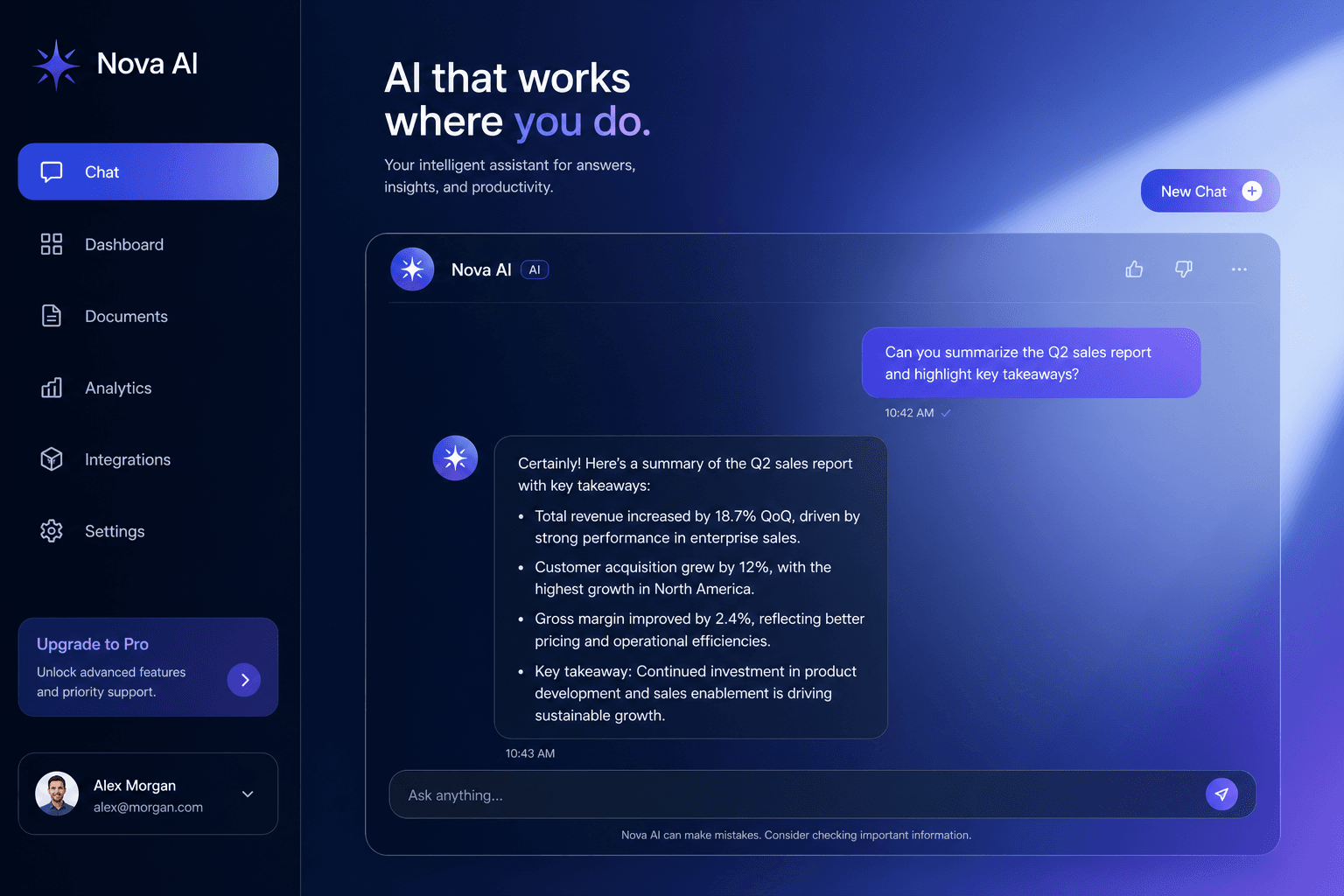
How to Build an AI Chatbot for Your Website: Complete 2026 Guide
Building an AI chatbot for your website isn't rocket science anymore. With the explosion of AI tools and platforms in 2026, you can have a functioning chatbot live on your site within hours, not months.
But here's the thing - most businesses rush into chatbot implementation without understanding what they actually need. They either end up with a glorified FAQ bot that frustrates customers, or they overspend on features they'll never use.
After 20 years in IT and helping dozens of businesses implement AI solutions at The Fort AI Agency, I've seen every chatbot mistake in the book. This guide will help you avoid them and build something that actually moves the needle for your business.
How do I add a chatbot to my website?
Adding a chatbot to your website involves three core steps: choosing your platform, training the AI model, and embedding the chat widget into your site. Most modern chatbot platforms provide embed codes that work with any website builder, from WordPress to Shopify to custom HTML sites.
The fastest way to get started is with a plug-and-play solution like Intercom, Drift, or Chatfuel. These platforms handle the technical heavy lifting while you focus on crafting conversations that actually help your customers.
Step 1: Define Your Chatbot's Purpose
Before you touch any code or sign up for platforms, get crystal clear on what you want your chatbot to accomplish. The most successful implementations I've seen at The Fort AI Agency start with specific business goals:
- Lead qualification: Screen prospects before they hit your sales team
- Customer support: Handle common questions 24/7
- Product recommendations: Guide customers to the right solutions
- Appointment booking: Automate scheduling for service businesses
- Order tracking: Let customers check status without calling support
Step 2: Choose Your Implementation Method
You have three main paths for adding a chatbot to your website:
No-Code Platforms (Fastest) - Tidio - Intercom - Drift - Chatfuel - ManyChat
Low-Code Solutions (More Control) - Botpress - Microsoft Bot Framework - Dialogflow - Rasa (open source)
Custom Development (Maximum Flexibility) - OpenAI API integration - Claude API (Anthropic) - Custom Python/Node.js builds
Step 3: Set Up Your Knowledge Base
This is where most chatbots fail. Your AI needs quality data to give quality answers. Feed it:
- FAQ documents
- Product specifications
- Company policies
- Common customer scenarios
- Brand voice guidelines
With the recent advances in AI agents we're seeing across platforms in 2026, your chatbot can now handle more complex reasoning tasks than ever before. But garbage in still equals garbage out.
Step 4: Design Conversation Flows
Map out how conversations should progress. Start with your most common customer interactions:
- Greeting and intent capture
- Information gathering
- Solution delivery or handoff
- Follow-up actions
Step 5: Install and Test
Most platforms provide a simple JavaScript embed code. Copy it into your website's header or use a plugin if you're on WordPress or Shopify.
Testing checklist: - Try common questions customers actually ask - Test on mobile devices - Verify handoff to human agents works - Check integration with your CRM or email system
What is the best AI chatbot for websites?
The best AI chatbot platform depends on your specific needs, but Intercom leads for enterprise solutions, while Tidio offers the best value for small businesses. For custom implementations requiring advanced AI capabilities, OpenAI's API combined with a custom interface provides maximum flexibility.
Here's my breakdown of the top platforms in 2026:
Enterprise Solutions ($100-500/month)
Intercom - Best for: SaaS companies, high-volume support - Strengths: Advanced AI, seamless human handoff, robust analytics - Weaknesses: Expensive, complex setup
Drift - Best for: B2B lead generation - Strengths: Sales-focused features, excellent targeting - Weaknesses: Limited customer service features
Mid-Market Options ($20-100/month)
Tidio - Best for: E-commerce, small to medium businesses - Strengths: Easy setup, good AI for the price, visual flow builder - Weaknesses: Limited customization
Chatfuel - Best for: Facebook/Instagram integration - Strengths: Social media native, good templates - Weaknesses: Primarily messenger-focused
Technical/Custom Solutions
Botpress - Best for: Developers who want control - Strengths: Open source, highly customizable - Weaknesses: Requires technical expertise
OpenAI API + Custom Build - Best for: Unique requirements, advanced AI features - Strengths: Unlimited customization, latest AI models - Weaknesses: Development time and costs
Based on current AI development trends I'm seeing in 2026, including the surge in AI agent tools and platforms we're seeing in the developer community, custom implementations are becoming more accessible than ever.
Platform Comparison Matrix
| Platform | Setup Time | Monthly Cost | AI Quality | Customization |
|---|---|---|---|---|
| Intercom | 2-4 hours | $99-399 | Excellent | Medium |
| Tidio | 1-2 hours | $18-59 | Good | Low |
| Drift | 3-5 hours | $50-500 | Very Good | Medium |
| Custom API | 2-8 weeks | $20-200+ | Excellent | High |
How much does a custom AI chatbot cost?
Custom AI chatbot development costs range from $5,000 to $50,000+ depending on complexity, with ongoing operational costs of $50-500 per month. Simple implementations using existing APIs cost significantly less than building proprietary AI models from scratch.
Here's the real breakdown based on projects I've overseen at The Fort AI Agency:
Basic Custom Chatbot ($5,000-15,000) - OpenAI or Claude API integration - Custom UI/UX design - Basic CRM integration - Knowledge base setup - 2-4 weeks development time
Advanced Custom Chatbot ($15,000-35,000) - Multi-language support - Complex workflow automation - Advanced analytics and reporting - Multiple system integrations - Voice capabilities - 6-12 weeks development time
Enterprise Custom Solution ($35,000-100,000+) - Proprietary AI model training - Advanced security compliance - Complex multi-system integrations - Custom admin dashboards - Dedicated support and maintenance - 3-6 months development time
Ongoing Operational Costs
Monthly expenses you need to budget for:
- AI API calls: $20-200/month (varies by usage)
- Hosting and infrastructure: $10-100/month
- Maintenance and updates: $500-2000/month
- Third-party integrations: $0-300/month
Cost-Saving Strategies
Start with a no-code platform to validate your use case, then invest in custom development once you understand what works. This approach can save 60-80% of initial costs while still getting you a chatbot that delivers results.
Key Implementation Best Practices
Train on Real Customer Data
Don't guess what customers will ask. Pull data from: - Support ticket histories - Sales call transcripts - Email inquiries - Live chat logs
This ensures your chatbot handles real scenarios, not hypothetical ones.
Design for Graceful Failures
Your AI will occasionally misunderstand requests. Build in clear escalation paths: - "I'm not sure about that. Let me connect you with a human." - Easy access to live support - Clear fallback options
Start Simple, Scale Smart
Launch with basic functionality and expand based on actual usage patterns. Most successful chatbot implementations follow this progression:
- Month 1-2: FAQ responses and basic information
- Month 3-4: Lead capture and qualification
- Month 5-6: Transaction support and complex workflows
Monitor and Optimize Continuously
Track these critical metrics: - Resolution rate: Percentage of issues solved without human intervention - User satisfaction scores: Post-chat ratings - Conversation completion rates: How many users finish intended workflows - Handoff quality: How well the chatbot prepares human agents
Integration Considerations for 2026
With the current wave of AI development we're seeing, including advances in AI agents and specialized tools, integration capabilities are more important than ever.
Essential Integrations
CRM Systems - Salesforce - HubSpot - Pipedrive - Custom databases
Communication Platforms - Slack - Microsoft Teams - Email marketing tools - SMS platforms
E-commerce Platforms - Shopify - WooCommerce - Magento - Custom shopping carts
Security and Compliance
Especially relevant given the increased focus on AI security we're seeing in 2026, ensure your chatbot implementation addresses:
- Data encryption for sensitive customer information
- GDPR compliance for European customers
- CCPA compliance for California residents
- Industry-specific requirements (HIPAA for healthcare, PCI for payments)
Measuring Success and ROI
The best chatbots I've implemented deliver measurable business impact within 90 days. Track these KPIs:
Customer Service Metrics - First response time reduction: Target 90%+ improvement - Support ticket volume decrease: Aim for 20-40% reduction - Customer satisfaction scores: Should maintain or improve
Sales and Lead Generation - Lead capture rate: Percentage of visitors who engage - Lead qualification accuracy: Quality of handoffs to sales - Conversion rate impact: Overall effect on sales funnel
Operational Efficiency - Agent productivity: Time saved per support interaction - After-hours engagement: Customer activity outside business hours - Cost per interaction: Total cost divided by conversations handled
Common Pitfalls to Avoid
After implementing dozens of chatbot projects, these are the mistakes that kill ROI:
Over-Engineering the First Version
Don't try to build the perfect chatbot from day one. Launch with core functionality and iterate based on real user feedback.
Ignoring Brand Voice
Your chatbot represents your company. Spend time defining personality, tone, and communication style that matches your brand.
Poor Handoff Experience
When the chatbot can't help, the transition to human support should be seamless. Include conversation context and clear problem summaries.
Neglecting Mobile Experience
60%+ of website traffic is mobile. Test your chatbot extensively on smartphones and tablets.
Key Takeaways
- Start with clear business objectives before choosing technology platforms
- No-code solutions like Tidio or Intercom work for most small to medium businesses
- Custom development costs $5,000-50,000+ but provides maximum flexibility
- Train your AI on real customer data for better performance
- Design graceful failure paths to maintain customer satisfaction
- Monitor key metrics continuously to optimize performance and ROI
- Security and compliance are critical considerations in 2026
Frequently Asked Questions
How long does it take to build a custom AI chatbot?
Custom chatbot development typically takes 2-12 weeks depending on complexity. Simple API integrations can be completed in 2-4 weeks, while advanced enterprise solutions require 2-6 months.
Can I integrate a chatbot with my existing CRM system?
Yes, most modern chatbot platforms offer native integrations with popular CRMs like Salesforce, HubSpot, and Pipedrive. Custom chatbots can integrate with virtually any system via APIs.
What's the difference between rule-based and AI-powered chatbots?
Rule-based chatbots follow pre-programmed decision trees, while AI-powered chatbots use natural language processing to understand intent and generate dynamic responses. AI chatbots handle complex conversations better but cost more to implement.
How do I train my chatbot to understand my business?
Feed your chatbot relevant data including FAQs, product documentation, support tickets, and conversation transcripts. Most platforms allow you to upload documents or connect to knowledge bases for automatic training.
What happens when my chatbot can't answer a question?
Well-designed chatbots include escalation protocols to seamlessly transfer conversations to human agents. The handoff should include conversation context and clear problem summaries to avoid customer frustration.
Ready to implement an AI chatbot that actually drives results for your business? The team at The Fort AI Agency specializes in strategic AI implementations that deliver measurable ROI. Schedule a free consultation at thefortaiagency.ai to discuss your specific needs and get a custom implementation roadmap.
Get Expert Support for Your AI Strategy
Get a confidential Shadow AI audit and discover how to transform your biggest risk into your competitive advantage.